Key Highlights
- Minimalist mehendi designs are trending for their understated elegance and modern appeal.
- These designs favor clean lines, negative space, and delicate motifs over heavy patterns.
- Modern brides often choose simple floral patterns and geometric shapes for an elegant look.
- Popular styles include single mandalas, leafy vines, and subtle finger accents.
- A minimalist mehendi design complements both traditional and contemporary wedding attire.
- This style highlights your natural beauty without overwhelming your hands.
Introduction
Mehendi holds a special place in wedding celebrations, but trends are evolving. While intricate patterns covering the entire hand are timeless, many people are now embracing minimal mehendi designs. This shift towards simplicity and modernity allows for personal expression without the need for heavy, elaborate artwork. These designs are perfect for those who appreciate understated elegance, offering a chic and sophisticated way to incorporate this beautiful tradition into your look. Are you ready to explore some stunning options?
Unique Minimalist Mehendi Designs You’ll Love
When searching for the best mehndi designs, you’ll find that less can truly be more. A minimal design enhances your natural beauty by using open space and delicate motifs, making it a favorite among modern brides. These styles are perfect for intimate weddings, pre-wedding photoshoots, or any occasion where you want a touch of tradition with a contemporary twist.
From a single mandala to simple leafy trails, the options are endless. These designs focus on highlighting specific parts of your hand or foot rather than covering them completely. Let’s look at some unique minimalist ideas that are gaining popularity for their chic and elegant appeal.
1. Delicate Mandala Centerpieces for Palms
Mandala designs are a timeless choice that works beautifully in a minimalist context. Placing a single, beautifully detailed mandala in the centre of the palm creates a powerful yet simple statement. This approach leaves the rest of the hand bare, drawing all the attention to the circular, symmetrical pattern that radiates balance and beauty.
The beauty of a mandala lies in its clean lines and the potential for intricate designs within a contained shape. You can add tiny dots or small leaves around the main figure to enhance its charm without sacrificing the minimalist feel. This style is perfect if you want a design that is both spiritually significant and artistically modern.
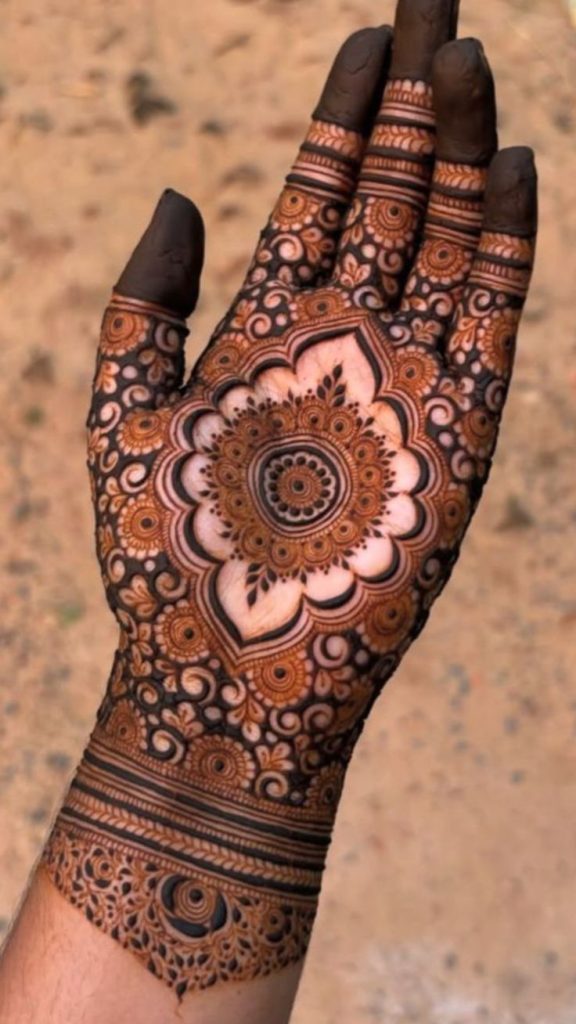
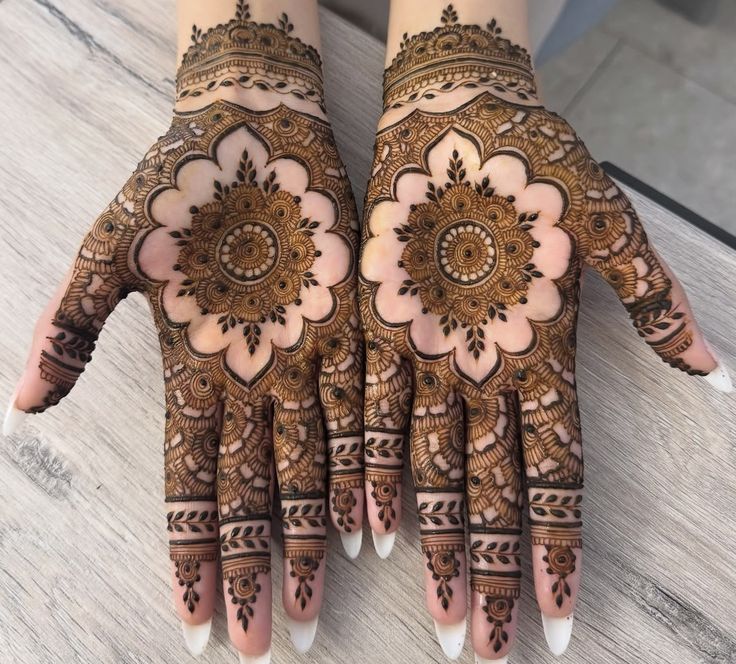
For an easy minimalist mehendi design for your hands, the central mandala is a fantastic option. It’s impactful on its own and doesn’t require complex patterns on the fingers or wrist, making it a simple yet stunning choice.
2. Single Vine Minimalism Along Fingers
If you desire subtlety and grace, a single vine design is an excellent choice. These patterns typically feature delicate lines that trail elegantly along one finger, often the middle finger, or wrap gently around the wrist. This creates a soft, feminine touch that is both light and airy.
Often, these vines incorporate a tiny floral motif or small leaves, adding a touch of nature-inspired beauty. The key to this design is its simplicity; it doesn’t aim to cover the skin but rather to adorn it with a hint of artistry. The flowing pattern complements the natural curves of your hand, adding a layer of elegance.
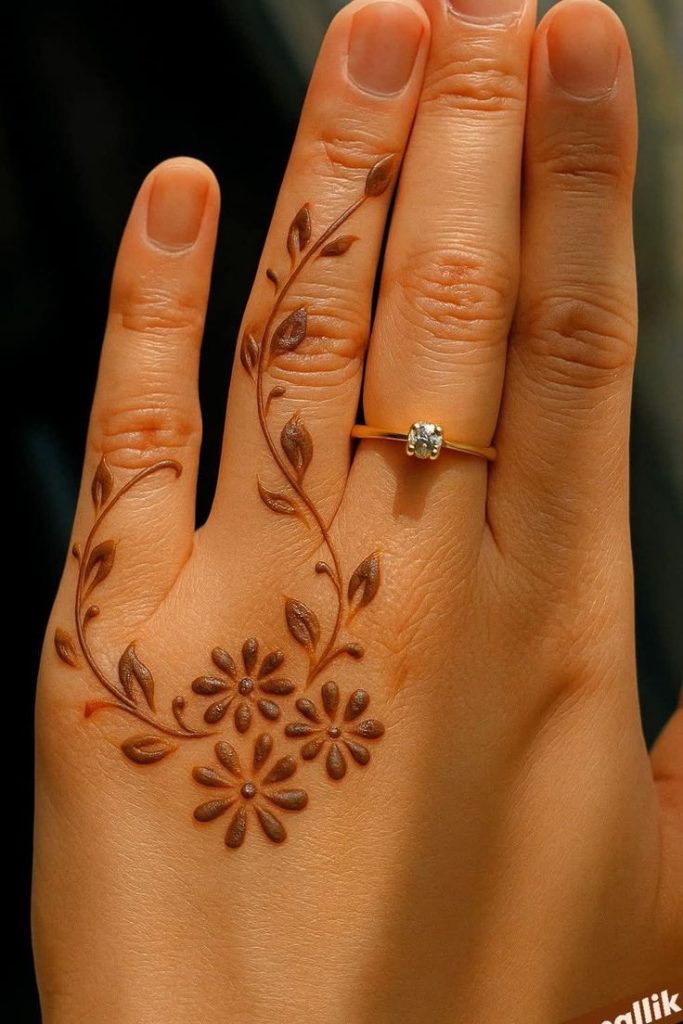
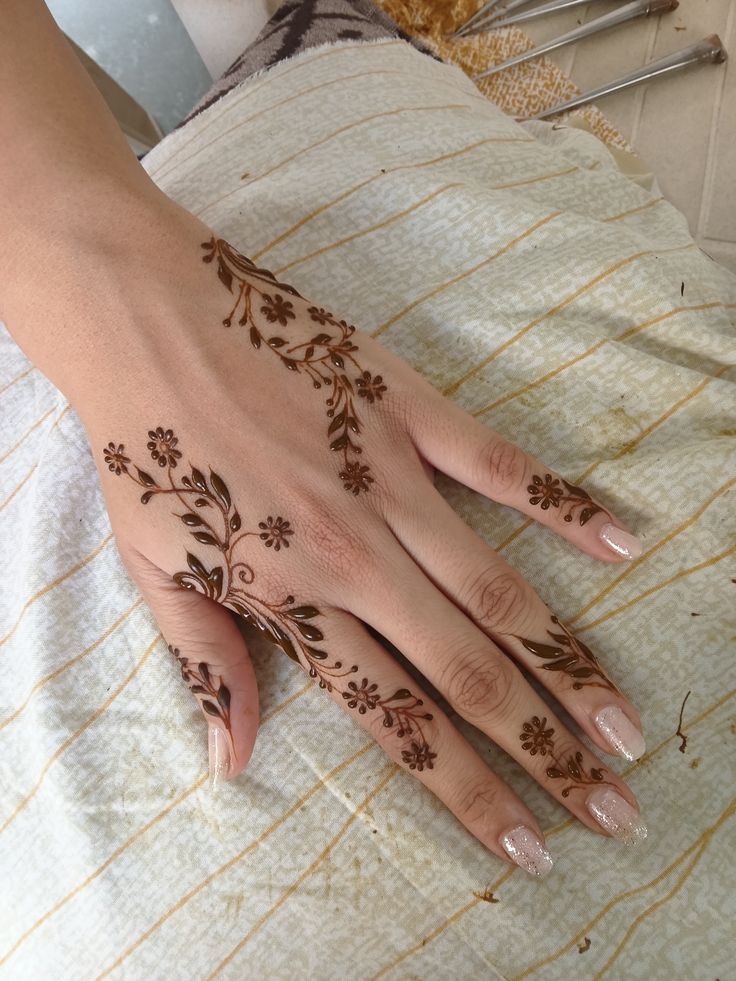
This is one of the easiest minimalist mehendi designs for hands because of its focused and linear nature. It’s perfect for bridesmaids or anyone looking for a design that is sophisticated and understated, proving that you don’t need a full hand of henna to make a beautiful impression.
3. Modern Geometric Patterns with Negative Space
For a contemporary twist on traditional henna, modern geometric patterns are a fantastic option. These designs rely on clean lines, sharp angles, and defined shapes like triangles and diamonds to create a unique and stylish layout. The focus on symmetry and structure gives this style a distinctly modern vibe.
A key feature of geometric mehendi is the clever use of negative space. By leaving parts of the skin bare, the design appears bolder and more striking. This contrast makes the pattern pop, offering an artistic and edgy alternative to more traditional floral motifs. It’s a great way to blend tradition with innovation.
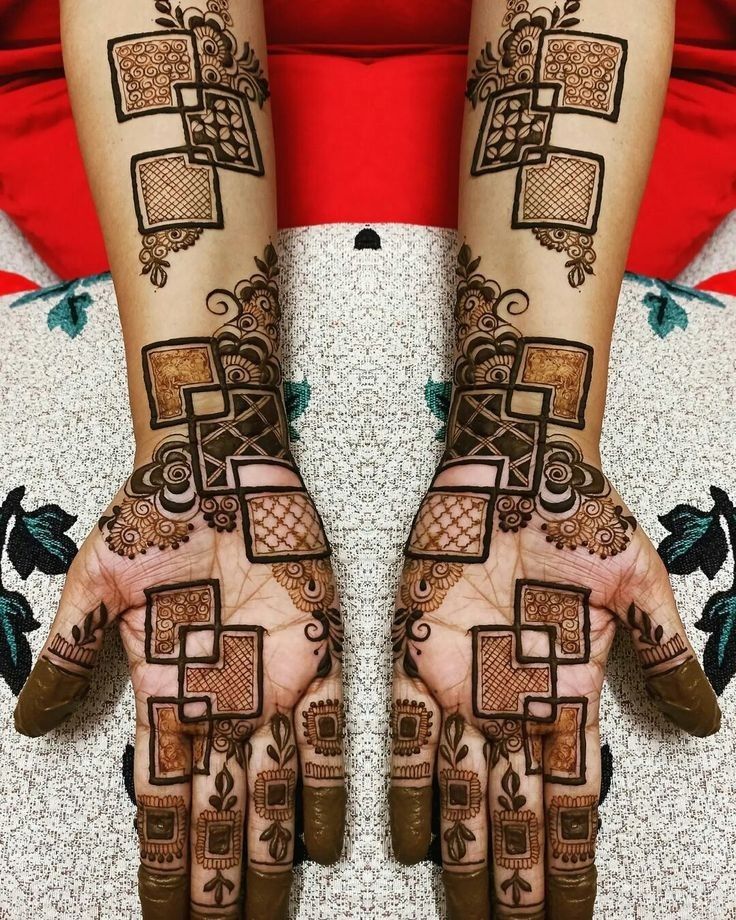
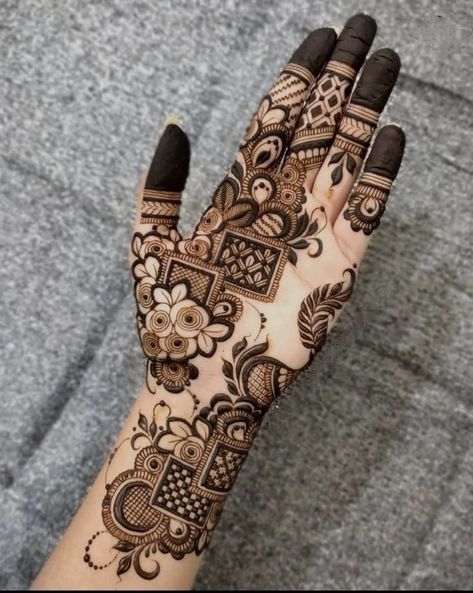
This trendy minimalist design is perfect for brides who want their mehendi to reflect a modern and chic personal style. The structured beauty of geometric patterns provides a fresh and sophisticated look that pairs well with contemporary bridal wear.
4. Chic Leafy Trails for Back of the Hand
Leafy patterns are a versatile and popular choice for a minimal mehendi design, especially on the back of the hand. An elegant trail of leaves and vines creates a beautiful flow that adorns your hand without overwhelming it. This style is celebrated for its simplicity and connection to nature.
These designs often start near the wrist and extend towards a finger, or they can be a standalone motif. Sometimes, small floral elements are woven into the leafy patterns to add a touch of romance and femininity. This combination results in a graceful and elegant look that is both modern and timeless.
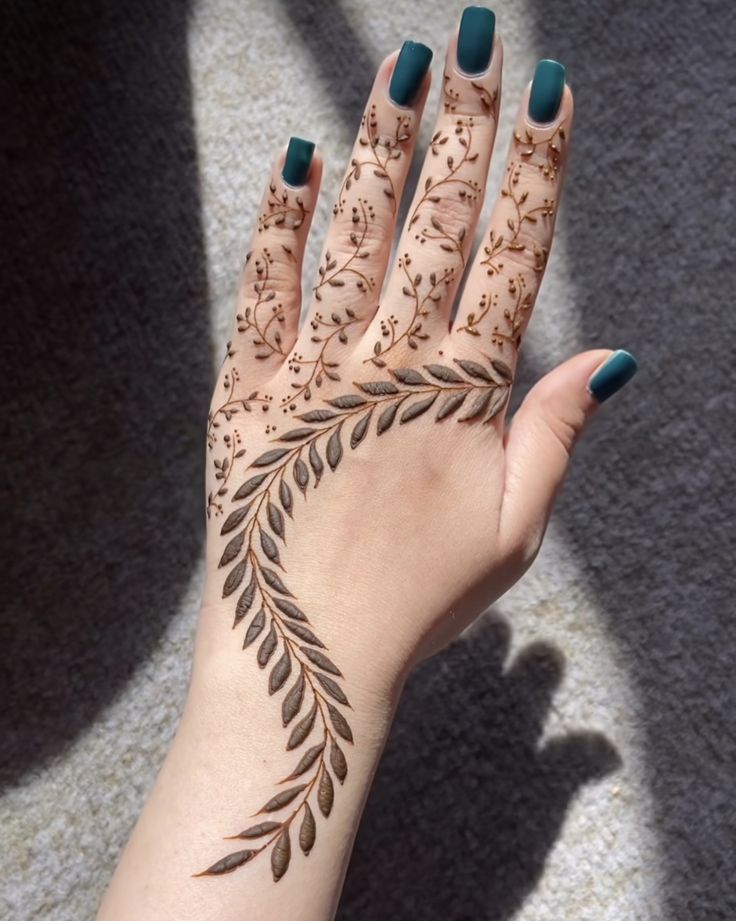
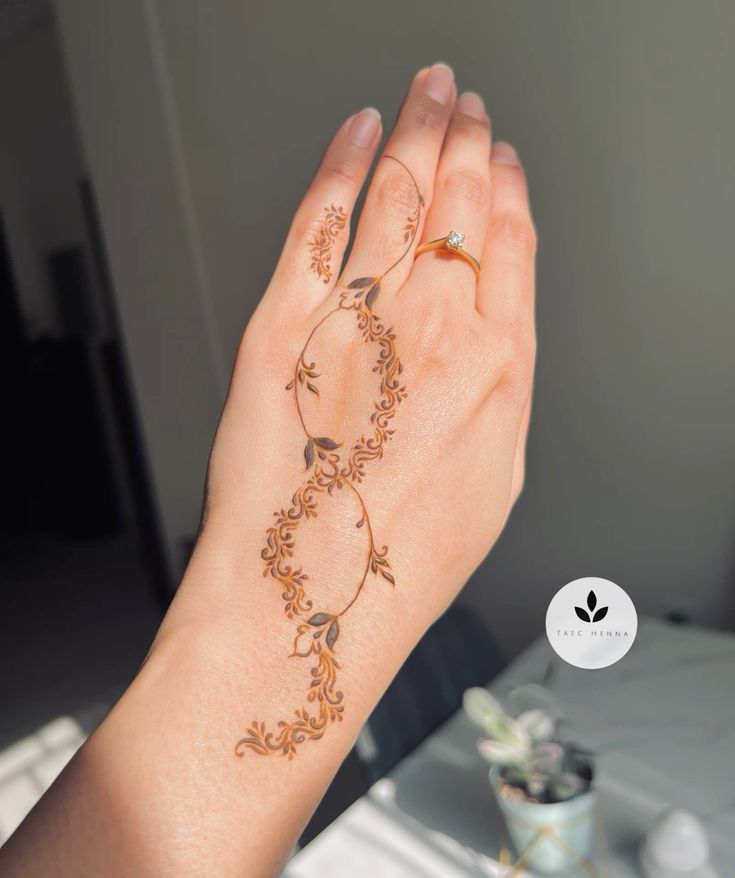
As an easy minimalist mehendi design for hands, leafy trails are perfect for any occasion. They offer a simple way to achieve a sophisticated look, symbolizing growth and prosperity while adding a delicate, artistic touch to your hands.
5. Subtle Anklet-Style Mehendi for Feet
Don’t forget your feet! A minimal mehendi design can add a beautiful, subtle accent to them as well. The anklet style is a wonderful idea, where the henna pattern mimics a delicate piece of jewelry wrapping around your ankle. This is an especially great choice if you’re wearing sandals or going barefoot for a beach wedding.
These designs can be simple bands with dots and lines, or they can incorporate tiny floral or leafy patterns for added charm. You can also add a small trail extending to one of the toes, connecting the anklet with the rest of the foot. The leaves and vines can symbolize growth and prosperity, adding a meaningful touch.
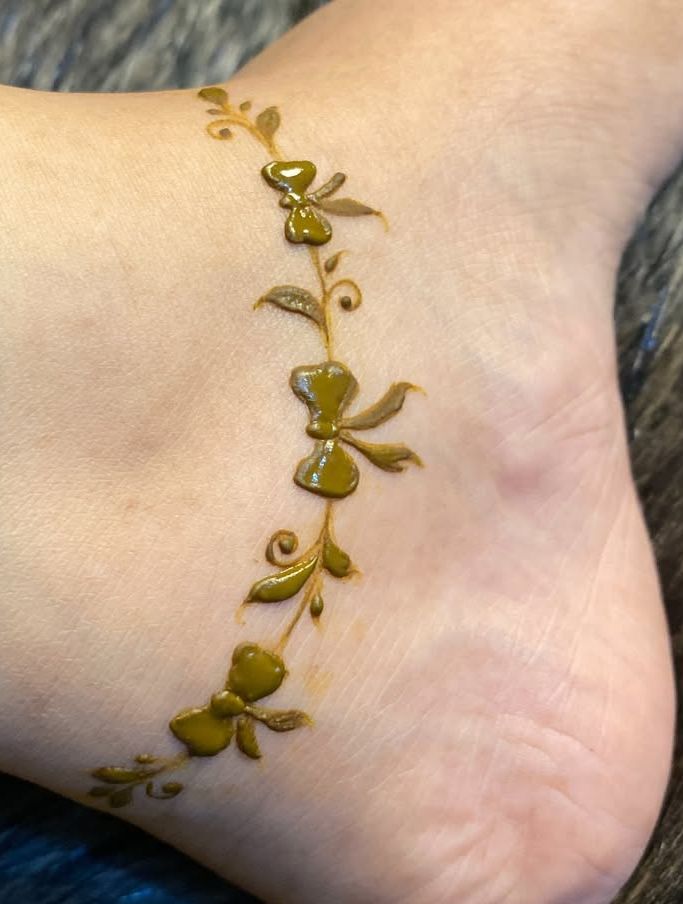
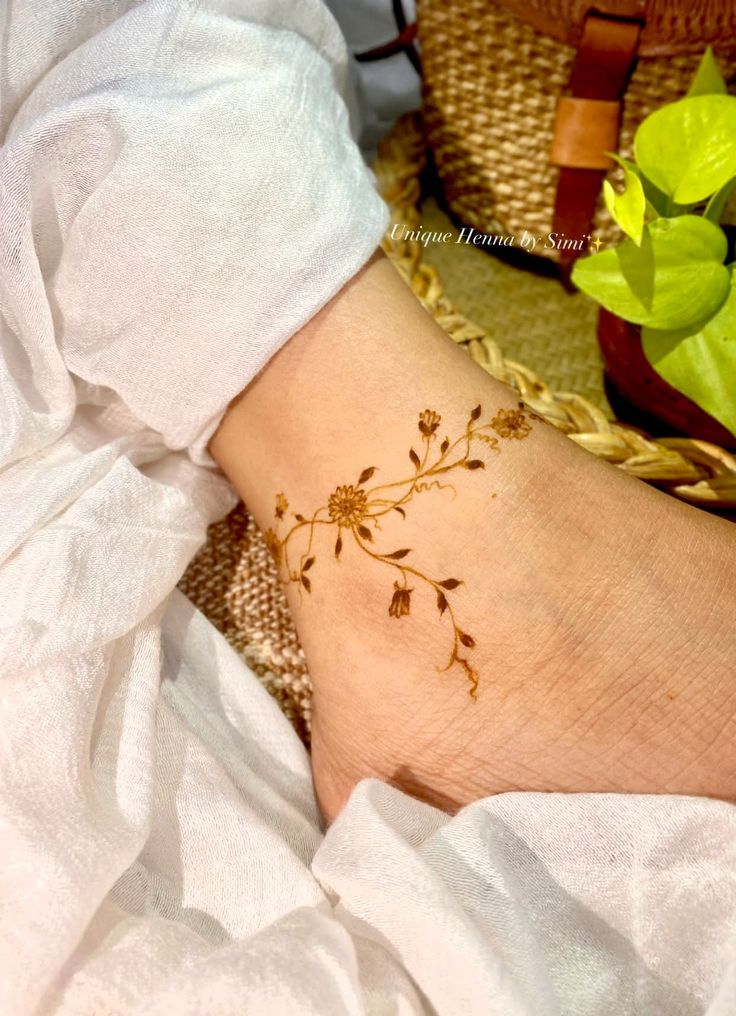
Anklet-style mehendi is a chic and unique way to decorate your feet without committing to a heavy, traditional design. It provides just the right amount of adornment, ensuring your feet look elegant and stylish on your special day.
Key Features and Motifs in Minimalist Mehendi
Minimalist mehendi is defined by its simplicity and use of space. The key features that set it apart are the specific motifs used to create a delicate and clean look. Instead of dense patterns, minimalism focuses on individual elements like dots, lines, and florals to create an understated yet beautiful effect.
These simple components are arranged thoughtfully to highlight the natural shape of your hands or feet. Let’s explore some of the most popular motifs and understand how minimalist designs differ from their traditional counterparts.
6. Popular Minimalist Motifs: Dots, Lines, and Florals
Yes, several popular motifs are signatures of minimalist mehendi. These elements are used sparingly to create designs that are light, airy, and elegant. Their simplicity allows them to stand out and enhance your natural beauty without the need for heavy coverage. They are the building blocks of many simple yet stunning patterns.
These delicate motifs can be combined in countless ways to create a unique design. For example, a string of dots can form a bracelet, or a single floral pattern can be the centerpiece on the back of your hand.
Some of the most common motifs include:
- Dots: Used to create borders, fill small spaces, or form patterns like clusters and nets.
- Lines: Thin, clean lines are used to create geometric shapes, bands, and flowing vines.
- Floral Patterns: Small blossoms, leaves, and vines add a soft, romantic, and organic feel.
- Crescent Moons: A symbol of beauty and grace, often paired with stars and dots for a celestial vibe.
7. Difference Between Minimalist and Traditional Mehendi
The primary difference between minimalist and traditional mehendi lies in coverage, complexity, and overall aesthetic. Traditional mehendi often involves elaborate designs that cover large areas of the hands and feet, sometimes extending up to the forearms. These intricate patterns are dense and rich with detailed motifs.
In contrast, minimalism focuses on simple designs that use negative space strategically. The patterns are lighter, more spread out, and feature less complexity. This approach creates a modern, chic look that feels less ceremonial and more like a fashion accessory. It’s about making a statement with subtlety rather than volume.
Here’s a simple breakdown of the key differences:
| Feature | Minimalist Mehendi | Traditional Mehendi |
|---|---|---|
| Coverage | Partial, focused on specific areas like fingers, wrist, or a central motif. | Full, often covering the entire hand, palm, and forearm. |
| Complexity | Simple designs with clean lines, dots, and basic motifs. | Elaborate designs with intricate patterns and detailed fillers. |
| Use of Space | Emphasizes negative space to make the design stand out. | Aims for dense coverage with very little empty space. |
| Aesthetic | Modern, elegant, and understated. | Rich, ornate, and ceremonial. |
Conclusion
In conclusion, minimalist mehendi designs offer a refreshing take on traditional body art, focusing on elegance and subtlety. From delicate mandala centerpieces to chic leafy trails, these unique designs allow for personal expression while maintaining an understated beauty. Whether you’re attending a wedding or simply looking to adorn your hands for a casual outing, there’s a minimalist design that perfectly suits your style. Embrace the charm of simplicity, and make a statement with your mehendi choices. If you’re eager to try out these stunning designs, don’t hesitate to reach out for a free consultation on how to achieve the perfect minimalist look!
Frequently Asked Questions
Are minimalist mehendi designs suitable for weddings and festive occasions?
Absolutely! A minimal mehendi design is a fantastic choice for your wedding day and other festive occasions. It offers a chic and elegant look that complements a modern bridal look perfectly. Its subtlety ensures that it enhances your overall appearance without overpowering your outfit or jewelry, making it incredibly versatile.
How can I make my minimalist mehendi last longer?
To make your mehendi last, leave the paste on for at least 6-8 hours; overnight is even better. Avoid contact with water for the first 24 hours after removing the paste. Applying a mixture of lemon juice and sugar on the dried paste can help darken the stain and prolong its life.
What tips do you have for applying simple minimalist mehendi at home?
When applying a minimal mehendi design at home, start with simple designs that don’t require much intricacy. Use a high-quality henna cone for a smooth flow. You can practice your chosen pattern on paper first to build confidence before applying it to your skin.
